Computing Implementation and Impact
Curriculum Implementation
At Woodchester, we follow the Kapow Primary Scheme which is organised into five key areas, creating a cyclical route through which pupils can develop their computing knowledge and skills by revisiting and building on previous learning:
- Computer systems and networks
- Programming
- Creating media
- Data handling
- Online safety
The implementation approach ensures a broad and balanced coverage of the National Curriculum requirements whilst specific showcase modules allow children to learn and apply transferable skills. Where relevant, links are made to other subjects such as science, art and music to enable the development of further transferable skills.
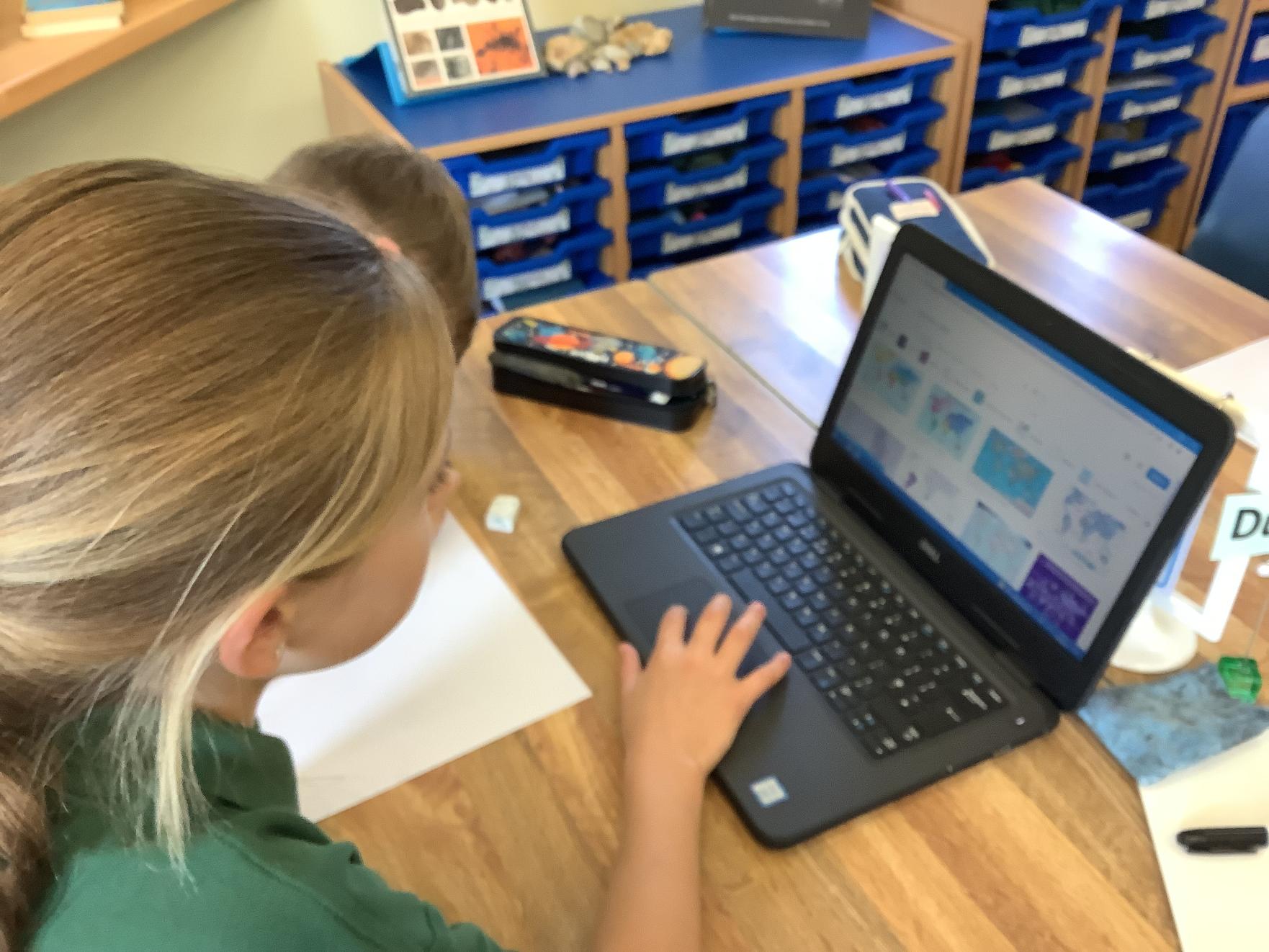
Children are taught using a variety of technologies including iPads, laptops, robotic toys and handheld recording devices. The main operating system is Windows whilst we use Office 365 to teach the majority of data processing activities as we are a Microsoft-based school thus ensuring that staff can communicate and share documents with children and vice versa. All children are given an O365 account which is accessible from home upon starting at Woodchester and this remains with them until they leave.
Online safety is taken very seriously and all classes celebrate Safer Internet Day with a range of activities. In addition, we work closely with the local school beat liaison office who visits three times a year to speak with our older children about online safety. In addition, staff are regularly briefed on online safety issues whilst the Year 4 children visit ‘In the Net’ to support their use of technology safely.
Curriculum Impact
We aim for children to leave Woodchester Endowed Primary School with a range of skills to enable them to succeed in their secondary education and be active participants in an ever-increasing digital world. We aim for our children to:
- Be critical thinkers and be able to understand how to make informed and appropriate digital choices in the future.
- Understand the importance that computing will have going forward in both their educational and working life as well as their social and personal futures.
- Understand how to balance time spent on technology and time spent away from it in a healthy and appropriate manner.
- Understand that technology helps to showcase their ideas and creativity. They will know that different types of software and hardware can help them achieve a broad variety of artistic and practical aims.
- Show a clear progression of technical skills across all areas of the National Curriculum – computer science, information technology and digital literacy.
- Be able to use technology both individually and collaboratively as part of a team.
- Be aware of online safety issues and protocols and be able to deal with any problems in a responsible and appropriate manner.
- Have an awareness of developments in technology and have an idea of how current technologies work and relate to each other.
- Meet the end of key stage expectations outlined in the National Curriculum.