Impact of our Science Curriculum
In line with the school Vision and Curriculum, through the teaching of Science, we want to instill a love of learning and an understanding that Science in the world is more accessible through the learning we have undertaken.
How we know we are successful in this is through:
- Teacher assessment – Science assessment is mainly undertaken using formative assessment through ongoing questions, dialogue, verbal and written feedback. We also use informal quizzes, practical tasks, knowledge grids, vocabulary usage and day to day work to assess success.
- Pupil voice – children are asked about how they felt their Science learning has gone at the end of each Science lesson. Those who have answered negatively are followed up to understand why they have felt they have had a negative experience. Children are also asked to complete pupil questionnaires on an annual basis by the Science Governor. In addition, learning dialogue gives plenty of opportunity to encourage self-evaluation.
- Parental Feedback – parents are actively encouraged to attend open mornings where Science activities are provided for parent and child to complete together. Parents are invited to complete learning questionnaires and are also able to review and provide feedback at parent consultation evenings.
- Data Analysis – the subject leader works with the teaching staff to review progress on a regular basis.
- Quality Assurance – the subject leader will provide quality assurance by conducting lesson visits, learning walks and work scrutiny. In addition, the subject leader will use supplementary information from the ASE (The Association for Science Education) to support assurance activities.
- Positive attitudes to learning – children and staff should feel inspired, enthusiastic and excited about Science!
- Respect for all Science resources – children and staff will look after our resources, whilst having pride in the presentation of their work.
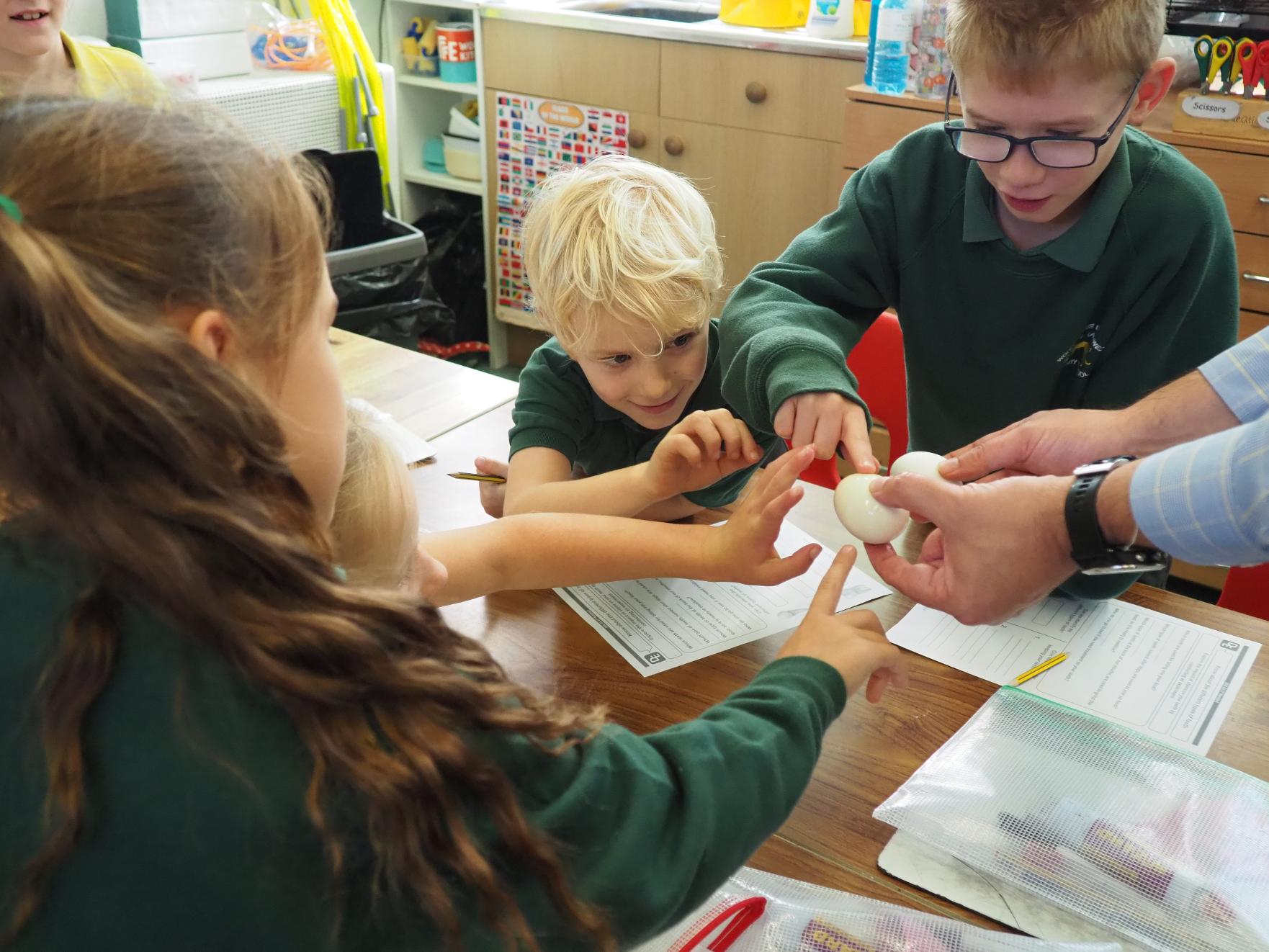
- Participating in Community – children and staff will proudly represent Science when working with external stakeholders. For example, having the ‘Tooth Fairy’ from a local dentist practice visit to discuss dental hygiene and healthy eating habits.
We continue to develop and adapt our Science curriculum to ensure it meets the ongoing needs of our children based on feedback from children, staff, parents, governors and outside influences.