Understanding the World
Understanding the world involves guiding children to make sense of their physical world and their community. The frequency and range of children’s personal experiences increases their knowledge and sense of the world around them – from visiting parks, libraries and museums to meeting important members of society such as police officers, nurses and firefighters. In addition, listening to a broad selection of stories, non-fiction, rhymes and poems will foster their understanding of our culturally, socially, technologically and ecologically diverse world. As well as building important knowledge, this extends their familiarity with words that support understanding across domains. Enriching and widening children’s vocabulary will support later reading comprehension.
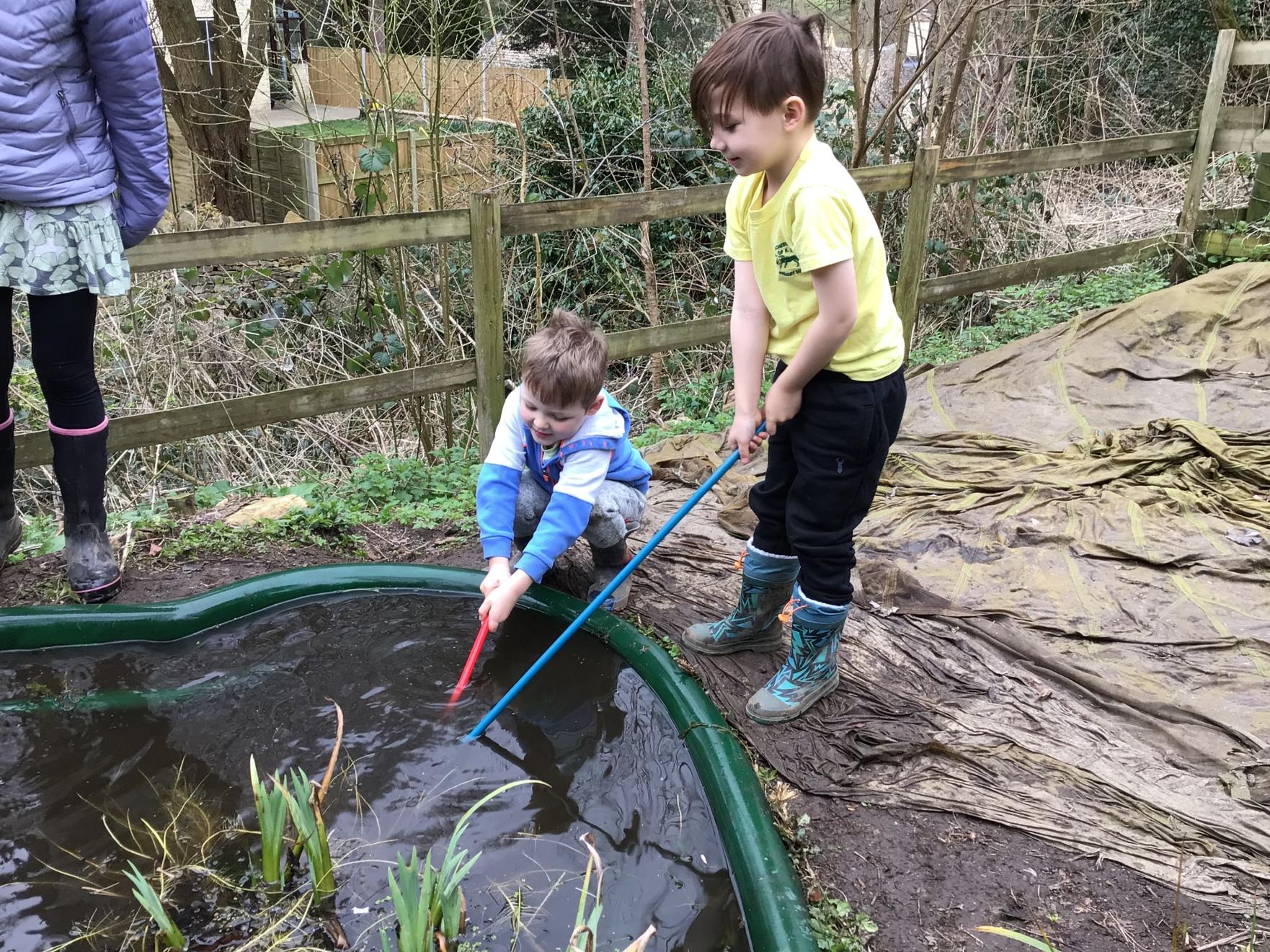
Exploring the natural world
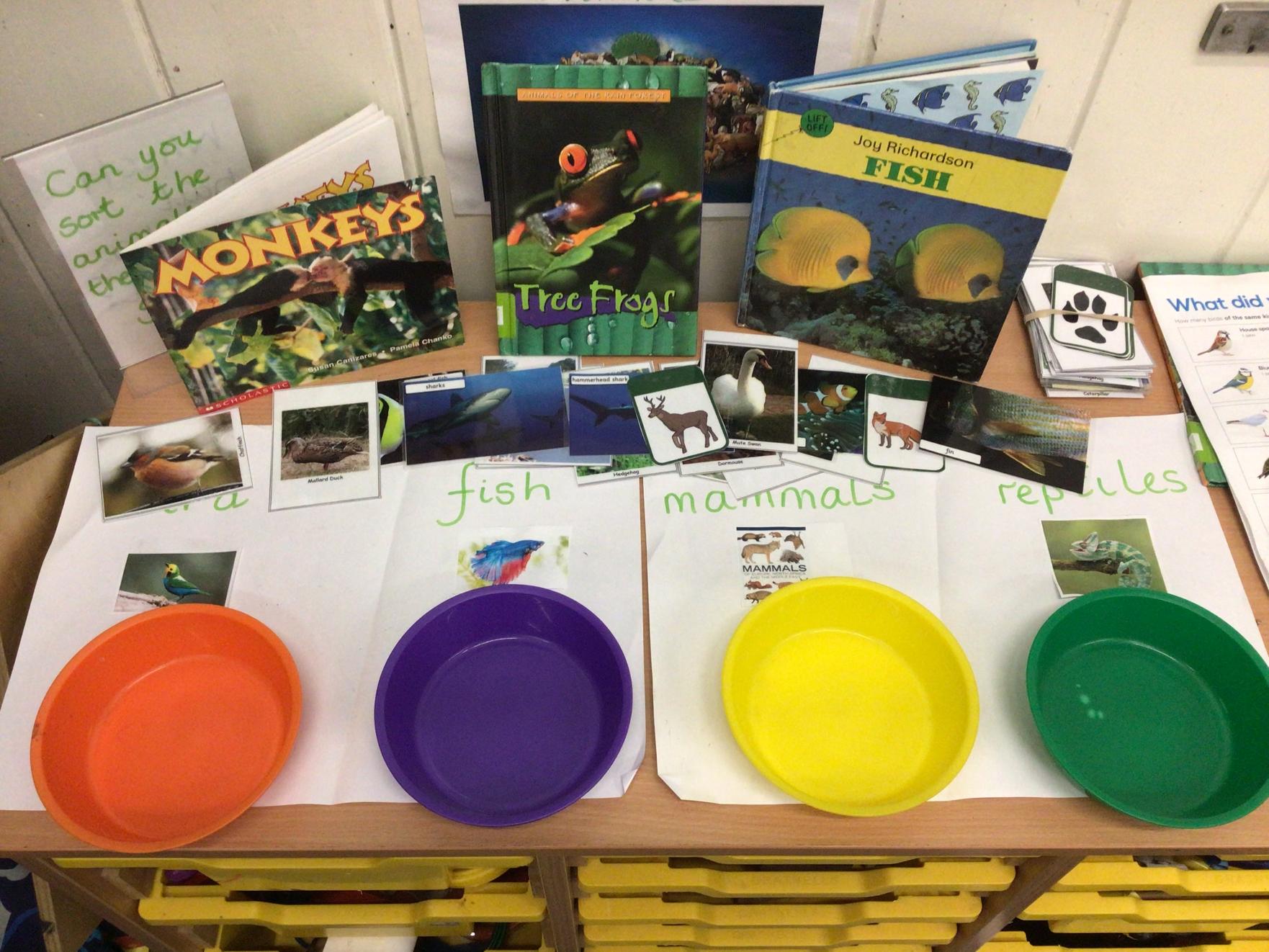
Sorting and classifying
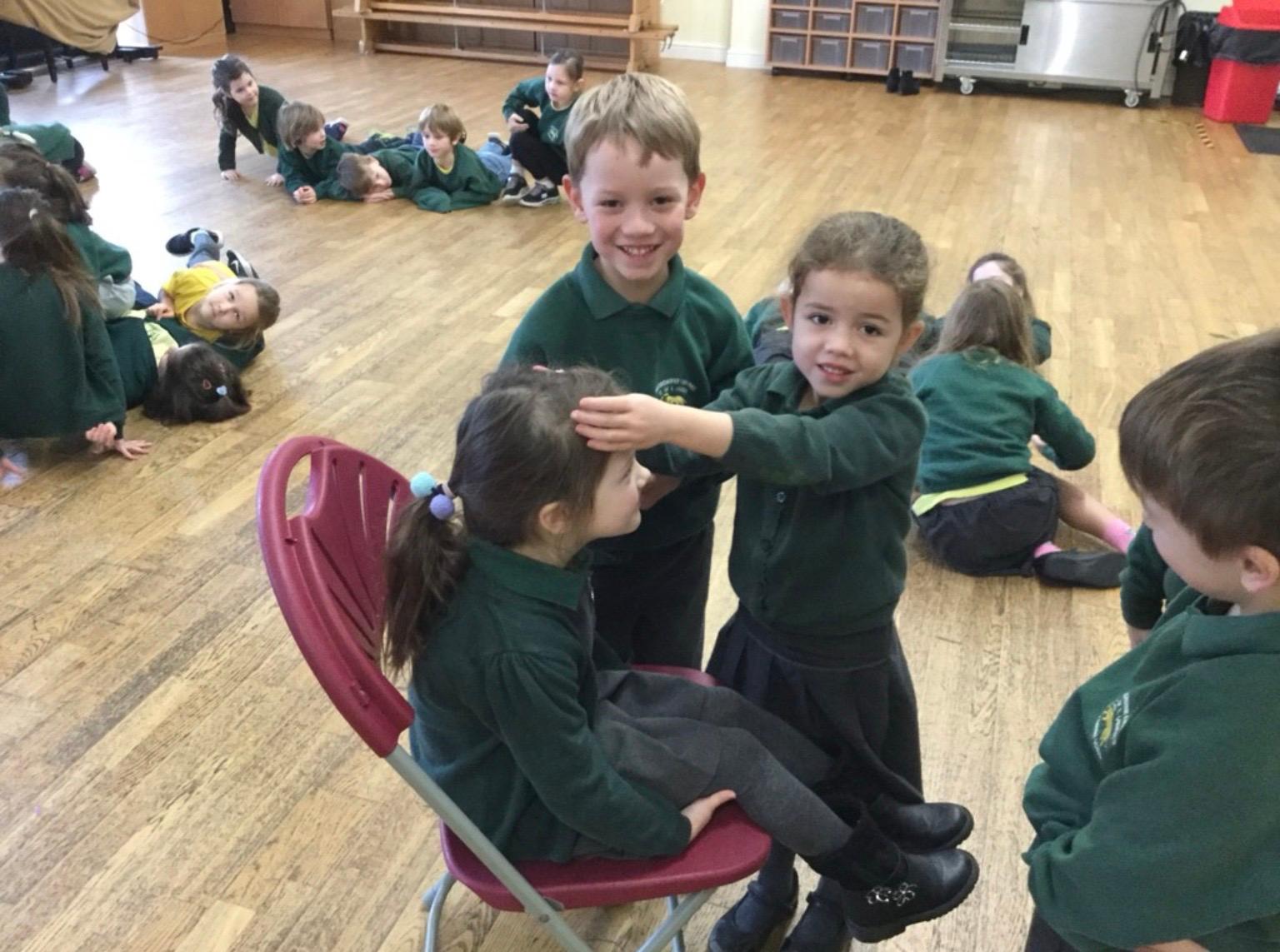
Pretending to be Florence Nightingale
Past and Present
- Talk about the lives of people around them and their roles in society
- Know some similarities and difference between things in the past and nowm drawing on their experiences and what has been read in class
- Understand the past through settings, characters and events encountered in booksread in class and storytelling
The Natural World
- Explore the natural world around them, making observations and drawing pictures of animals and plants
- Know some similarities and differences between the natural world aorund them and contrasting environments, drawing on their experiences and what has been read in class
- Understand some important processes and changes in the natural world around them, including the seasons and changing states of matter
People, Culture and Communities
- Describe their immediate environment using knowledge from observation, discussion, stories, non-fiction texts and maps
- Know some similarities and differences between different religious and cultural communities in this country, drawing on their experiences and what has been read in class
- Explain some similarities and differences between life in this country and life in other countries, drawing on knowledge from stories, non-fiction texts and (when appropriate) maps
More Information about the Early Years Foundation Stage is available through the link below: